
Montessori Sensory Board for Baby: Ultimate Guide to Early Learning
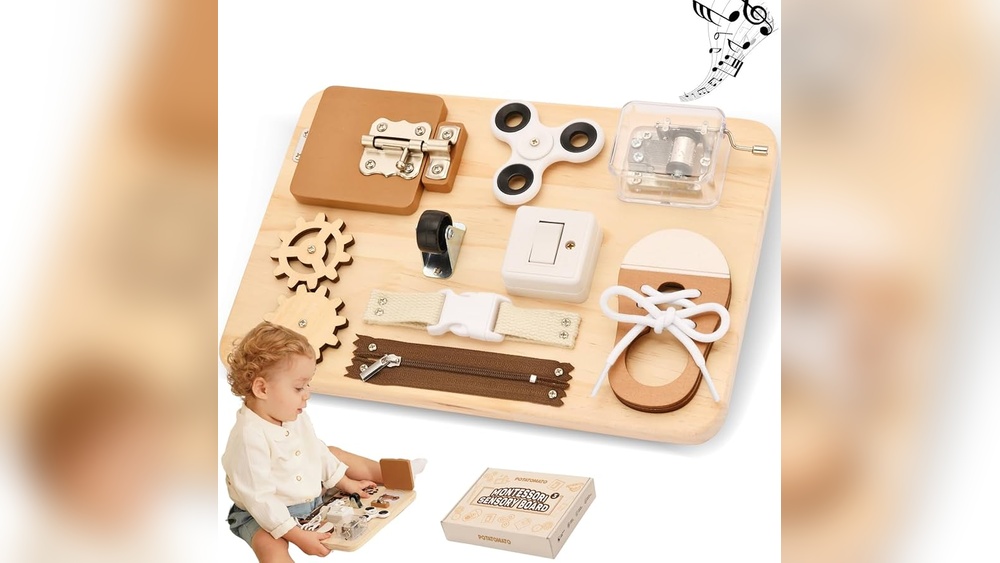
Are you looking for a simple, fun way to boost your baby’s learning and development? A Montessori sensory board for baby might be just what you need.
This hands-on tool helps your little one explore different textures, shapes, and colors—all while improving their focus and fine motor skills. Imagine watching your baby’s eyes light up with curiosity as they discover new sensations, building confidence and independence along the way.
Keep reading to find out how you can create or choose the perfect sensory board that fits your baby’s needs and sparks their natural love for learning.
Benefits Of Montessori Sensory Boards
Montessori sensory boards offer many benefits for babies. These boards help babies learn about the world through touch, sight, and movement. They provide a safe and fun way for babies to explore new textures and objects.
Using sensory boards supports early development in several key areas. Babies gain important skills that help them grow and learn every day. These boards also encourage babies to play on their own and build confidence.
Boosting Cognitive Skills
Sensory boards help babies understand cause and effect. They learn how things work by touching and moving objects. This hands-on experience builds problem-solving skills. Babies also improve their memory by recognizing different textures and shapes.
Enhancing Motor Development
Babies strengthen their fingers and hands while using sensory boards. Grasping small parts improves fine motor skills. Moving pieces around helps develop hand-eye coordination. These skills are important for later tasks like writing and dressing.
Encouraging Independent Play
Sensory boards invite babies to explore alone. Independent play boosts self-confidence and focus. Babies learn to entertain themselves without needing constant help. This independence supports healthy emotional growth and curiosity.
Key Features Of Sensory Boards
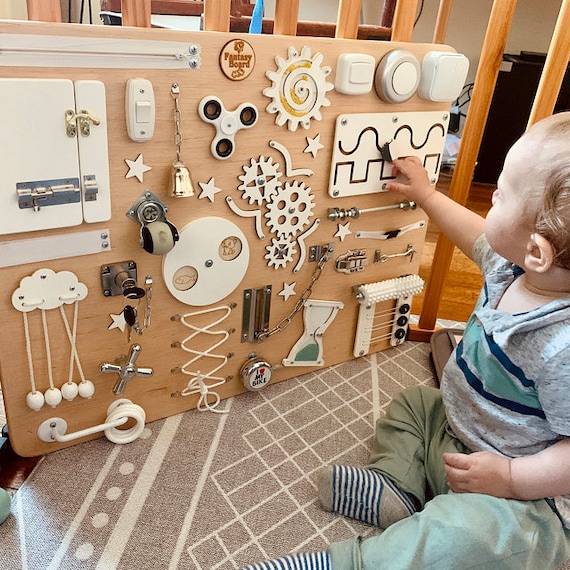
Sensory boards for babies are designed to engage little hands and curious minds. They offer a variety of experiences that help babies explore the world safely. Key features of these boards focus on stimulating senses like touch, sight, and movement. Each feature supports a baby’s growth and learning in simple ways.
Textures And Materials
Sensory boards use many different textures. Soft felt, rough sandpaper, smooth wood, and bumpy rubber are common choices. These materials let babies feel new sensations. Touching different surfaces helps develop fine motor skills. It also builds an understanding of the world around them.
Colors And Shapes
Bright colors catch a baby’s attention quickly. Sensory boards often include red, blue, yellow, and green. Shapes like circles, squares, and triangles add visual interest. Babies learn to recognize and name these shapes over time. This feature supports early cognitive development and color recognition.
Interactive Elements
Moving parts make sensory boards exciting. Buttons to press, switches to flip, and wheels to turn encourage active play. These interactive pieces improve hand-eye coordination. They also teach cause and effect in a fun way. Babies enjoy discovering how things work with their own hands.
Choosing The Right Sensory Board
Choosing the right Montessori sensory board for your baby is an important step. It helps support their growth and learning. The board should match their age and needs. It must be safe and easy to use. Also, it should last long and be easy to carry around. Keep these points in mind to pick the best board for your little one.
Age-appropriate Designs
Choose a sensory board that fits your baby’s age. Different ages need different features. For young babies, simple textures and colors work well. Older babies may enjoy buttons, locks, or switches. The design should challenge your baby just enough. This helps them learn new skills safely.
Safety Considerations
Safety is the top priority for any baby toy. Check that all parts are secure and can’t be swallowed. Avoid sharp edges or small detachable pieces. Use non-toxic materials that are safe for babies. The board should be sturdy to prevent breakage. Always supervise your baby during play.
Durability And Portability
The sensory board should be strong and last through rough play. Look for boards made with solid wood or durable plastic. Portability matters if you travel or visit places often. A lightweight and compact board is easier to carry. Choose one that fits easily in your diaper bag or stroller.
Diy Montessori Sensory Board Ideas
Creating a Montessori sensory board at home is a fun and simple project. It helps babies learn through touch, sight, and sound. A DIY sensory board lets you choose materials that suit your baby’s interests and needs. This hands-on activity supports motor skills and curiosity.
Below are easy steps and ideas to build a sensory board your baby will love.
Materials Needed
- A sturdy wooden board or thick cardboard
- Various textures like fabric, felt, and sandpaper
- Small safe objects such as buttons, zippers, and locks
- Velcro strips or sticky tape
- Non-toxic glue and child-safe screws
- Paint or markers for decoration
- Scissors and a screwdriver
Step-by-step Assembly
- Start by cleaning and sanding the wooden board edges.
- Paint the board if you want a colorful background.
- Arrange your chosen materials on the board without fixing them.
- Attach fabrics and textured materials using glue or tape.
- Secure buttons, zippers, and locks with screws or strong glue.
- Check all parts for safety and make sure nothing is loose.
- Let everything dry completely before giving it to your baby.
Creative Customizations
Use bright colors to make the board more attractive. Add shapes like circles or squares for visual learning. Include items that make sounds, such as bells or rattles. Change textures often to keep your baby interested. Personalize the board with your baby’s name or favorite animals. Keep safety as the top priority in all customizations.
Incorporating Sensory Boards Into Daily Routine
Incorporating a Montessori sensory board into your baby’s daily routine helps nurture their senses and motor skills. Sensory boards offer a hands-on way for babies to explore different textures, shapes, and objects. Regular interaction with these boards supports brain development and curiosity.
Creating a consistent routine with sensory play makes learning feel natural and fun. It also helps your baby feel secure and ready to explore new experiences. Setting up playtime sessions that fit your family’s schedule encourages steady growth.
Optimal Playtime Sessions
Short sessions of 10 to 15 minutes work best for babies. Their attention span is short, so frequent, brief playtimes keep them engaged. Choose quiet times when your baby feels calm and curious. Avoid times when they seem tired or hungry.
Play sessions can happen several times a day. This repetition helps your baby learn and remember new skills. Consistency matters more than length of time.
Guided Vs Independent Exploration
Start by showing your baby how to use the sensory board. Gently guide their hands to explore different parts. This helps them understand the purpose of each element.
After some practice, encourage your baby to explore on their own. Independent play builds confidence and problem-solving skills. Stay close to offer support when needed, but let them lead the discovery.
Tracking Developmental Progress
Observe how your baby interacts with the sensory board each day. Notice new skills like grasping, pinching, or turning knobs. These small milestones show progress in fine motor abilities.
Keep a simple journal or take photos to track changes over time. This helps you see growth and adjust activities to match your baby’s needs. Celebrate each achievement, no matter how small.
Common Challenges And Solutions
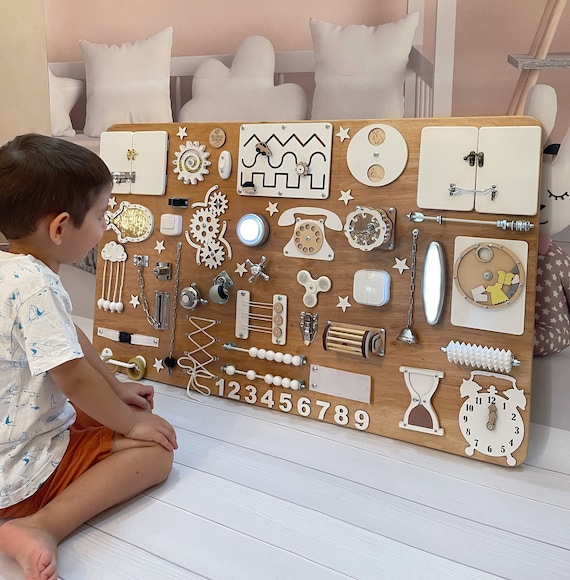
Montessori sensory boards offer many benefits for babies. They help develop senses and fine motor skills. Yet, parents and caregivers face some common challenges. These issues can affect the baby’s interest and the board’s usefulness. Simple solutions can keep the learning experience smooth and fun.
Maintaining Engagement
Babies may lose interest quickly with the same board. Changing items often keeps curiosity alive. Rotate toys and textures every few days. Add new colors or shapes to surprise the baby. Let the baby explore at their own pace. This approach keeps playtime fresh and exciting.
Cleaning And Maintenance
Babies touch everything with their hands and mouths. Sensory boards can get dirty fast. Clean the board regularly with mild soap and water. Avoid harsh chemicals that could harm the baby. Use soft cloths to wipe delicate parts. Check for loose pieces to keep the board safe.
Adapting For Different Learning Styles
Babies learn in various ways. Some like to touch, others prefer to look or listen. Include items that appeal to all senses. Add soft fabrics, shiny surfaces, and small bells. Observe which parts the baby enjoys most. Change the board based on these preferences. This helps the baby learn better and faster.

Frequently Asked Questions
What Is A Montessori Sensory Board For Babies?
A Montessori sensory board is a hands-on learning tool. It helps babies explore different textures, shapes, and objects safely. This board promotes fine motor skills and sensory development through play and discovery.
How Does A Sensory Board Benefit Baby Development?
Sensory boards stimulate a baby’s senses, improving cognitive and motor skills. They encourage curiosity, problem-solving, and hand-eye coordination. Regular interaction supports brain development and early learning in a fun, engaging way.
What Materials Are Used In Montessori Sensory Boards?
Materials often include wood, fabric, metal, and natural objects. These safe, durable items offer varied textures and colors. The choice of materials encourages tactile exploration and sensory stimulation for babies.
At What Age Can Babies Use Sensory Boards?
Babies can start using sensory boards around 6 months old. At this age, they begin to explore objects with their hands. Sensory boards are designed to be safe and engaging for this developmental stage.
Conclusion
A Montessori sensory board helps babies explore and learn safely. It encourages curiosity and builds fine motor skills. Babies enjoy touching different textures and shapes. Parents can make or buy one easily. It supports early development in a fun way.
Simple tools create big learning moments. Try adding a sensory board to your baby’s playtime. Watch their confidence and skills grow day by day. Small steps lead to great progress. A sensory board offers joy and learning combined.


