
Ergonomic Babywearing: Ultimate Comfort for You and Baby
Are you looking for a way to keep your baby close while staying comfortable and safe? Ergonomic babywearing might be the answer you’ve been searching for.
When done right, it supports your baby’s healthy development and keeps you feeling good too. Imagine having your hands free, your baby snug and happy, and no aches or pains weighing you down. This guide will show you how to choose the best babywearing options and use them the right way, so both you and your little one can enjoy every moment together.
Keep reading to discover the secrets to comfortable, safe, and joyful babywearing.

Benefits Of Ergonomic Babywearing
Ergonomic babywearing offers many benefits for both parents and babies. It supports comfort, health, and emotional connection. Choosing the right baby carrier helps make daily life easier and safer.
Physical Comfort For Parent And Baby
Ergonomic carriers spread the baby’s weight evenly. This reduces strain on the parent’s back and shoulders. Soft, padded straps prevent digging into the skin. Babies rest in a natural position that feels cozy and secure. Parents can move freely without discomfort. Comfort allows longer carrying times with less fatigue.
Promoting Healthy Hip Development
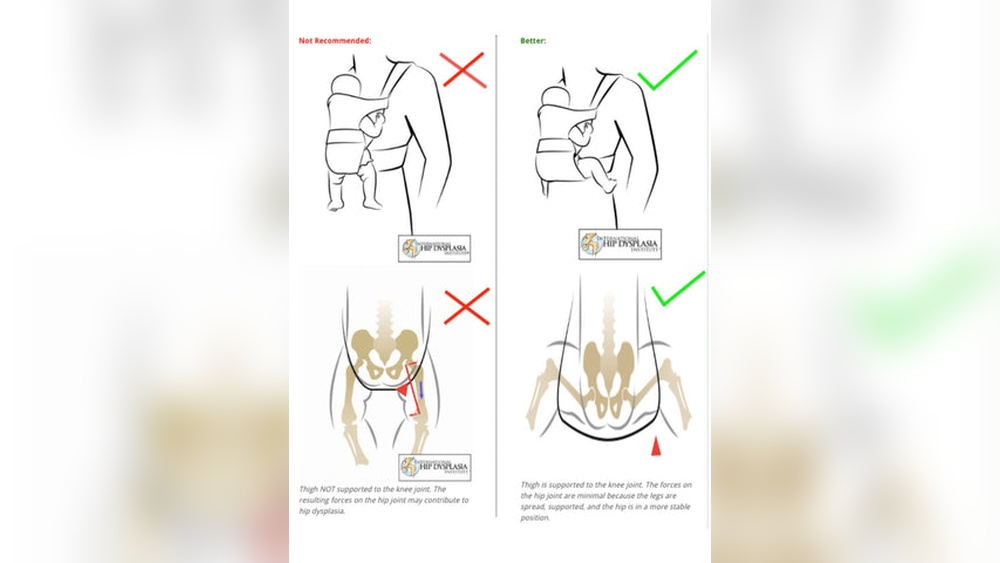
Ergonomic babywearing supports the baby’s hips properly. The legs stay in an “M” shape with knees higher than the bottom. This position helps the hips develop naturally. It lowers the risk of hip dysplasia and other issues. Non-ergonomic carriers can force the hips into wrong positions. Choosing ergonomic options protects your baby’s growing body.
Enhancing Bonding And Security
Carrying your baby close boosts emotional bonding. Skin-to-skin contact calms and soothes babies. They feel safe and loved next to their parent. This closeness helps reduce crying and fussiness. Parents also feel more connected and confident. Babywearing creates a strong, loving relationship early on.
Choosing The Right Carrier
Choosing the right baby carrier is key for comfort and safety. A good carrier supports both baby and wearer. It helps keep baby close while allowing hands-free movement. Many options exist, so focus on ergonomics for healthy hips and spine. Consider your daily activities, climate, and baby’s age when selecting a carrier. The right choice makes babywearing easier and more enjoyable.
Types Of Ergonomic Carriers
Ergonomic carriers come in various designs. Wraps are long pieces of fabric that you tie around your body. They offer flexibility and snug support. Ring slings have a fabric loop and are quick to adjust. Soft structured carriers have padded straps and buckles for easy use. Each type supports baby’s hips in an M-shape, which is healthy for growth. Pick a style that fits your comfort and lifestyle.
Materials And Breathability
Choose carriers made from soft, natural materials like cotton or bamboo. These fabrics allow air to flow, keeping baby cool. Breathable materials reduce sweat and skin irritation. Look for carriers with mesh panels for extra ventilation. Avoid synthetic fabrics that trap heat. Comfortable materials protect baby’s delicate skin and enhance your wearing experience.
Adjustability And Support Features
Adjustable carriers fit different body shapes and sizes. Look for padded shoulder straps and waist belts to spread weight evenly. Support features like lumbar padding help reduce back pain. Adjustable seat width ensures baby’s hips stay in a healthy position. Quick-release buckles make putting on and taking off easier. Proper support prevents strain and keeps both safe during wear.
Proper Wearing Techniques
Proper wearing techniques are key to safe and comfortable babywearing. They help protect your baby’s body and support your own. Using the right methods prevents strain and keeps both of you happy. Let’s explore how to wear your baby correctly for the best experience.
Positioning For Baby’s Comfort
Place your baby close to your chest. Their face should be visible and not covered. Keep their back curved in a natural “C” shape. Their knees should be higher than their bottom. This supports healthy hip development. Avoid tight wraps that squeeze your baby. Let them move slightly for comfort.
Ensuring Parent’s Posture
Stand straight with your shoulders relaxed. Avoid leaning forward or backward too much. Keep your head aligned with your spine. Adjust the carrier so weight spreads evenly. Support your lower back with good posture. Take breaks if you feel tired. This prevents muscle pain and fatigue.
Safety Tips And Checks
Check all buckles and straps before wearing. Make sure the carrier fits snugly but not too tight. Your baby’s airways must stay open at all times. Their chin should not press against their chest. Watch for signs of discomfort or overheating. Practice putting the carrier on and off safely. Always follow the manufacturer’s instructions carefully.
Age And Size Considerations
Choosing the right ergonomic baby carrier depends on your child’s age and size. Babies grow fast. Their needs change quickly. Safe and comfortable babywearing means adapting to these changes.
Parents must consider how carriers fit newborns, infants, and toddlers. Each stage needs different support and adjustments. This helps keep the baby safe and comfortable.
Newborn To Infant Adjustments
Newborns need extra head and neck support. Their bodies are very small and fragile. Carriers for newborns often have inserts or padding. These help keep babies in a natural, curved position.
Infants need snug fits. The carrier should hold them close to the parent’s chest. This promotes bonding and supports healthy spine development.
Toddler-sized Carriers
Toddlers are bigger and more active. Carriers must offer more space and stronger support. Wider straps and padded waistbands help spread the weight evenly.
Look for carriers designed for toddlers. They often have adjustable seats and harnesses. These features help fit larger bodies comfortably and safely.
Weight Limits And Growth
Every carrier has a weight limit. Exceeding it can cause discomfort or risk injury. Check the manufacturer’s guidelines before use.
Growth means parents may need new carriers over time. Some carriers grow with the child, offering adjustable features. Others are better for certain ages only.
Common Mistakes To Avoid
Ergonomic babywearing offers many benefits for both parent and child. Mistakes can cause discomfort or harm. Avoiding common errors makes babywearing safe and enjoyable. Learn what to watch out for to keep your baby happy and healthy.
Incorrect Positioning
Placing your baby too low or too high can cause strain. The baby’s face must be visible and close enough to kiss. Support the baby’s back and hips in a natural curve. Avoid slouching or letting the baby’s chin rest on their chest. Proper position ensures good breathing and comfort.
Ignoring Comfort Signals
Babies show signs when they are uncomfortable. Fussiness, crying, or stiffening may mean the baby needs adjustment. Check for tight straps or pressure points. Stop babywearing if your child seems distressed. Comfort is key for bonding and safety.
Overlooking Safety Guidelines
Follow manufacturer instructions carefully. Use carriers designed for your baby’s age and weight. Ensure all buckles and straps are secure before wearing. Avoid loose or worn-out carriers. Never cover the baby’s face with fabric. Safety prevents accidents and injuries.

Maintaining And Cleaning Carriers
Ergonomic baby carriers need regular care to stay safe and clean. Maintaining and cleaning carriers help protect your baby and keep the carrier in good shape. Clean carriers prevent skin irritation and keep germs away. Proper care also extends the life of your babywearing gear.
Washing Instructions
Check the label for washing rules. Most carriers need gentle washing with mild detergent. Use cold or warm water only. Avoid bleach or fabric softeners. Hand washing works best for delicate carriers. Let the carrier air dry. Avoid using a dryer to keep the fabric strong.
Storage Tips
Store carriers in a dry, cool place. Keep them away from direct sunlight to avoid fabric fading. Fold or roll the carrier neatly to prevent wrinkles. Avoid placing heavy items on top. Proper storage keeps the carrier ready for use and protects the materials.
Regular Inspection
Check the carrier before every use. Look for loose threads, tears, or worn straps. Make sure all buckles and fasteners work well. Replace the carrier if it shows damage. Regular checks keep your baby safe during every wear.
Incorporating Babywearing Into Daily Life
Incorporating babywearing into daily life offers many benefits. It helps keep your baby close while freeing your hands. You can continue your routine without stopping to hold your child all the time. Babywearing also supports bonding and comfort for both parent and baby.
Activities That Benefit From Babywearing
Many activities become easier with babywearing. Cooking meals while your baby is snug is a common example. Walking or light exercise also works well. Shopping trips get simpler because your hands stay free. Even house chores like folding laundry or watering plants become manageable. Babywearing lets you multitask without stress.
Balancing Babywearing With Other Care
Babywearing should not replace all baby care tasks. Your baby still needs feeding, changing, and playtime on the floor. Use babywearing for moments when close contact helps calm or soothe. Switch between wearing and other care activities to keep your baby happy. This balance supports healthy development and your well-being.
Adapting To Seasonal Changes
Adjust babywearing to fit the weather. In warm months, choose lightweight wraps or carriers. Dress your baby in light clothes to avoid overheating. During cold seasons, layer your baby and yourself carefully. Use blankets or coats over the carrier for warmth. Adapting this way keeps babywearing safe and comfortable year-round.

Frequently Asked Questions
What Is Ergonomic Babywearing?
Ergonomic babywearing supports your baby’s natural posture. It ensures proper hip and spine alignment. This reduces strain on the baby and wearer. It promotes healthy development and comfort during carrying.
How Does Ergonomic Babywearing Benefit Babies?
Ergonomic babywearing improves hip development and prevents dysplasia. It provides better head and neck support. It also promotes bonding and emotional security between baby and parent.
Which Carriers Are Ergonomic For Babywearing?
Carriers like wraps, ring slings, and structured carriers are ergonomic. They support the “M” position for hips. Look for adjustable carriers with good lumbar support for the wearer.
Can Ergonomic Babywearing Reduce Back Pain?
Yes, ergonomic babywearing distributes baby’s weight evenly. It reduces pressure on your back and shoulders. Proper adjustment and posture are key to minimizing discomfort.
Conclusion
Ergonomic babywearing helps keep both baby and parent comfortable. It supports the baby’s hips and spine properly. Parents can carry their child longer without pain. Choosing the right carrier matters a lot. Proper fit and adjustment make a big difference.
This practice also strengthens the bond between parent and baby. It lets parents keep their hands free while caring. Safe and comfy babywearing brings joy to daily life. Try it with care and attention to your baby’s needs. Your baby’s comfort and safety always come first.


