
Baby First Aid Kit Essentials: Must-Have Items for Every Parent

When it comes to your baby’s safety, being prepared is everything. Imagine having the right tools at your fingertips the moment your little one needs help.
Your baby’s first aid kit isn’t just a box of supplies—it’s peace of mind for you. In this guide, you’ll discover the essential items that every baby first aid kit should have. Knowing exactly what to keep close can make all the difference when seconds count.
Ready to create a kit that keeps your baby safe and your worries low? Let’s dive in.
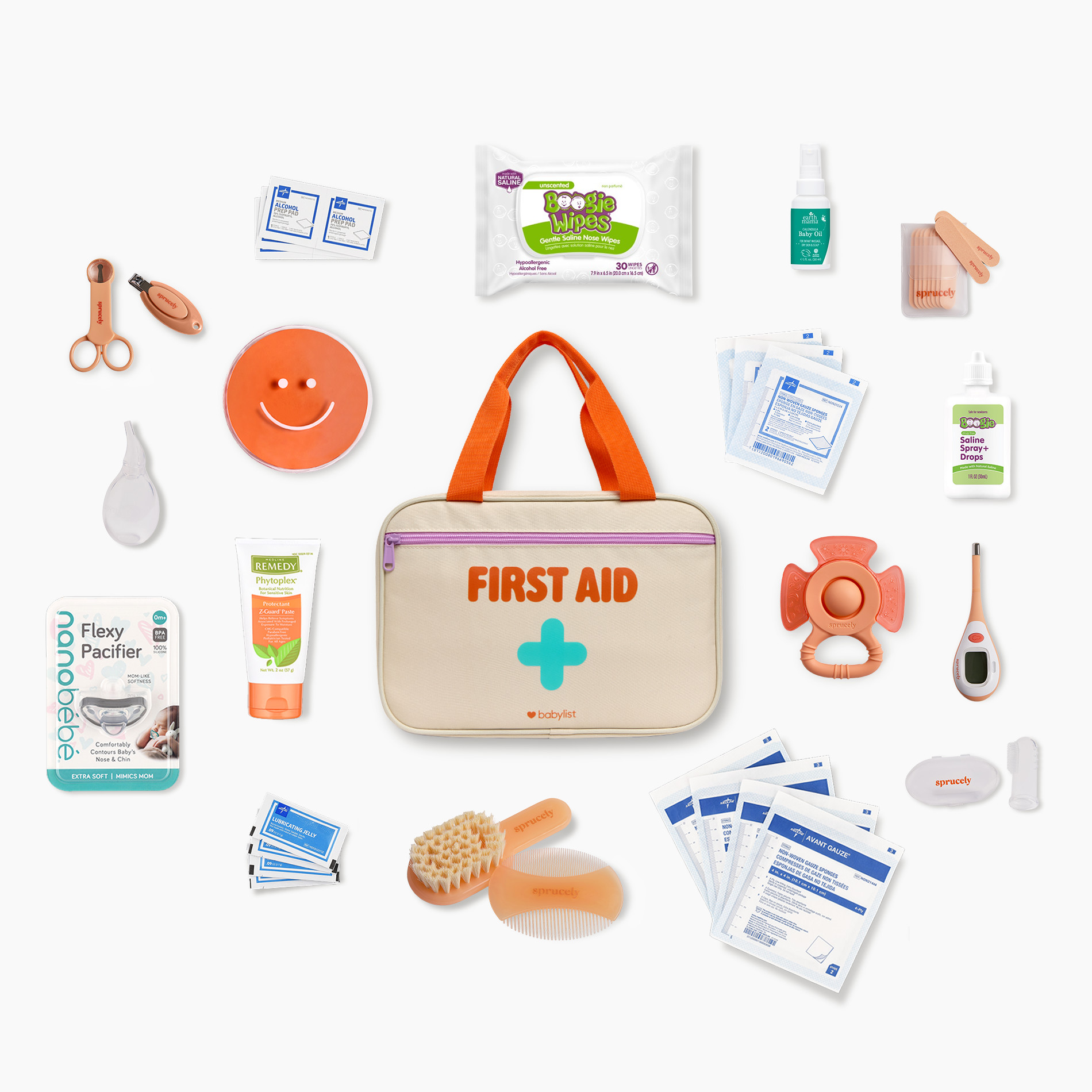
Baby First Aid Kit: Basic Supplies
A baby first aid kit must have basic supplies. These items help treat small cuts, scrapes, and other minor injuries. Having these supplies ready saves time and reduces stress during emergencies. The right tools make care simple and effective.
Bandages And Gauze
Bandages protect small cuts and scrapes from dirt. Choose different sizes to fit various wounds. Gauze pads help stop bleeding and keep wounds clean. They are useful for bigger cuts or scrapes that need extra care.
Antiseptic Wipes And Creams
Antiseptic wipes clean wounds quickly. They remove dirt and germs to prevent infection. Antiseptic creams soothe the skin and help heal wounds faster. Always use gentle, baby-safe products for delicate skin.
Adhesive Tape
Adhesive tape holds bandages and gauze in place. It must stick well but be gentle on baby’s skin. Look for tape made for sensitive skin. It helps keep wounds covered and clean during healing.
Tweezers And Scissors
Tweezers remove small splinters or dirt from wounds. Scissors cut tape, gauze, or clothing if needed. Choose small, sharp scissors with rounded tips for safety. These tools help handle minor injuries carefully.

Baby First Aid Kit: Medications for Babies
Babies need special care, especially when they feel unwell. Having the right medications in a baby first aid kit can help parents act quickly. These medicines ease common problems like fever, pain, teething discomfort, nasal congestion, and allergies. Knowing which medicines to keep is important for safe and effective care.
Fever And Pain Relievers
Fever and pain are common in babies. Medicines like infant acetaminophen or ibuprofen help reduce fever and ease pain. Always use the correct dose for your baby’s age and weight. These medicines can make your baby more comfortable during illness.
Teething Remedies
Teething causes sore gums and fussiness. Teething gels with mild pain relief ingredients soothe gums. Cold teething rings also help reduce discomfort. Avoid medicines with strong chemicals. Choose gentle options designed for babies.
Saline Nasal Drops
Babies often get stuffy noses. Saline nasal drops clear nasal passages safely. They loosen mucus and help babies breathe better. Use drops before feeding or sleeping for easier breathing. These drops are gentle and easy to use.
Allergy Medicines
Some babies have allergies causing rash, itching, or sneezing. Mild antihistamine medicines can relieve these symptoms. Only use allergy medicines made for infants. Check with a doctor before giving any allergy medicine to your baby.
Baby First Aid Kit: Tools for Monitoring Health
Monitoring a baby’s health is key for every parent. Having the right tools helps track vital signs quickly and accurately. These tools guide you to take proper action if your baby feels unwell. A well-stocked baby first aid kit includes essential items for health checks.
Digital Thermometer
A digital thermometer gives a fast and clear temperature reading. It is safe and easy to use on babies. You can check your baby’s temperature anytime to spot a fever early. Some models have a flexible tip for gentle use under the arm or in the mouth. Always clean the thermometer before and after use to keep it hygienic.
Nasal Aspirator
A nasal aspirator helps clear your baby’s stuffy nose. Babies can’t blow their noses, so this tool is very helpful. It gently removes mucus to ease breathing and improve sleep. Use it carefully and regularly during colds or allergies. Choose a soft tip to avoid hurting your baby’s sensitive nose.
Medicine Syringes And Droppers
Medicine syringes and droppers help give the right dose of medicine. They are designed for small amounts and easy use. These tools prevent spills and make medicine time less stressful. Use the markings on syringes and droppers to measure medicine accurately. Clean them well after each use to keep them safe and ready.
Baby First Aid Kit: Essential Safety and Comfort Items
Safety and comfort items are key parts of any baby first aid kit. They help calm your baby and keep small injuries from getting worse. These items also protect you and your baby during first aid care. Always keep these essentials nearby for quick action.
Instant Cold Packs
Instant cold packs reduce swelling and pain fast. They activate without needing a freezer. Just squeeze the pack to start the cooling effect. Cold packs are great for bumps, bruises, or insect bites. Use a cloth between the pack and your baby’s skin. This stops the cold from hurting your baby.
Soft Cloths And Towels
Soft cloths and towels clean wounds gently. They help wipe away dirt or blood without hurting your baby. Use soft, clean cloths to dry the skin after cleaning. Towels can also wrap your baby for warmth and comfort. Choose cloths made from gentle fabric to protect sensitive skin.
Disposable Gloves
Disposable gloves protect both you and your baby. They stop germs from spreading during first aid. Always wear gloves before touching wounds or body fluids. Throw gloves away after use to stay safe and clean. Keep several pairs in your kit for emergencies.
Baby First Aid Kit: Organizing The Kit
Organizing a baby first aid kit is crucial for quick and easy access during emergencies. A well-organized kit saves time and reduces stress. It helps parents find the right supplies fast. Proper organization keeps everything neat and ready to use.
Choosing The Right Container
Select a container that is sturdy and compact. It should have multiple compartments or sections. This helps separate items like bandages, medicines, and tools. A clear or transparent container works well for quick checks. Choose a container that fits easily in your home or diaper bag.
Labeling And Expiry Checks
Label each section or item clearly. Use simple words or pictures for quick identification. Check expiry dates regularly to avoid using old medicines. Remove expired items immediately. Keep a small notebook or list inside the kit to track expiry dates and restocking needs.
Storing In Accessible Locations
Store the kit in places adults can reach easily. Avoid high shelves or locked drawers. Common spots include the kitchen or nursery. Keep a second kit in the car or stroller for emergencies outside. Ensure all caregivers know where the kit is stored.

Baby First Aid Kit: When To Update The Kit
Knowing when to update your baby’s first aid kit is very important. It keeps the kit ready for any small emergency. Regular updates ensure all items work well and are safe to use. A fresh kit gives parents peace of mind.
Replacing Used Items
Check the kit after every use. Replace any items taken out or used up. This keeps the kit complete and ready for the next time. Used bandages, wipes, and ointments need quick replacement.
Seasonal Adjustments
Change the kit contents based on the season. Add sunscreen and insect repellent in summer. Include lip balm and moisturizer for dry winter months. Seasonal changes help protect your baby better.
Consulting Pediatrician
Ask your baby’s doctor about first aid supplies. They can suggest important items for your child’s needs. Update the kit based on their advice. This ensures your kit matches your baby’s health requirements.
Frequently Asked Questions
What Are The Must-have Items In A Baby First Aid Kit?
A baby first aid kit should include diapers, antiseptic wipes, thermometer, baby-safe pain reliever, adhesive bandages, and a nasal aspirator. These essentials help handle common minor injuries and illnesses effectively and quickly.
How Often Should I Check And Update The Baby First Aid Kit?
Check your baby’s first aid kit every three months. Replace expired medicines and used items promptly. Regular updates ensure your kit stays effective and ready for emergencies.
Can A Baby First Aid Kit Help In Fever Emergencies?
Yes, a baby first aid kit with a digital thermometer and baby-safe fever reducer helps monitor and manage fever promptly. Early intervention can prevent complications and provide comfort.
Should A Baby First Aid Kit Include Allergy Medications?
Including antihistamines or prescribed allergy medications is wise if your baby has known allergies. Always consult a pediatrician before adding any medications to the kit.
Conclusion
A baby first aid kit keeps your little one safe every day. It helps you act fast during small accidents or sudden illness. Always check your kit to keep it ready and complete. Knowing what to include gives you peace of mind.
Being prepared is a simple step that protects your baby’s health. Keep your kit close and update it often. Safety matters most when caring for your baby.


