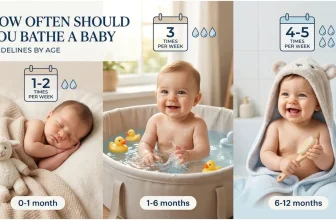
Bathtub vs. Bath Seat: Which One Is Best for Your Baby?
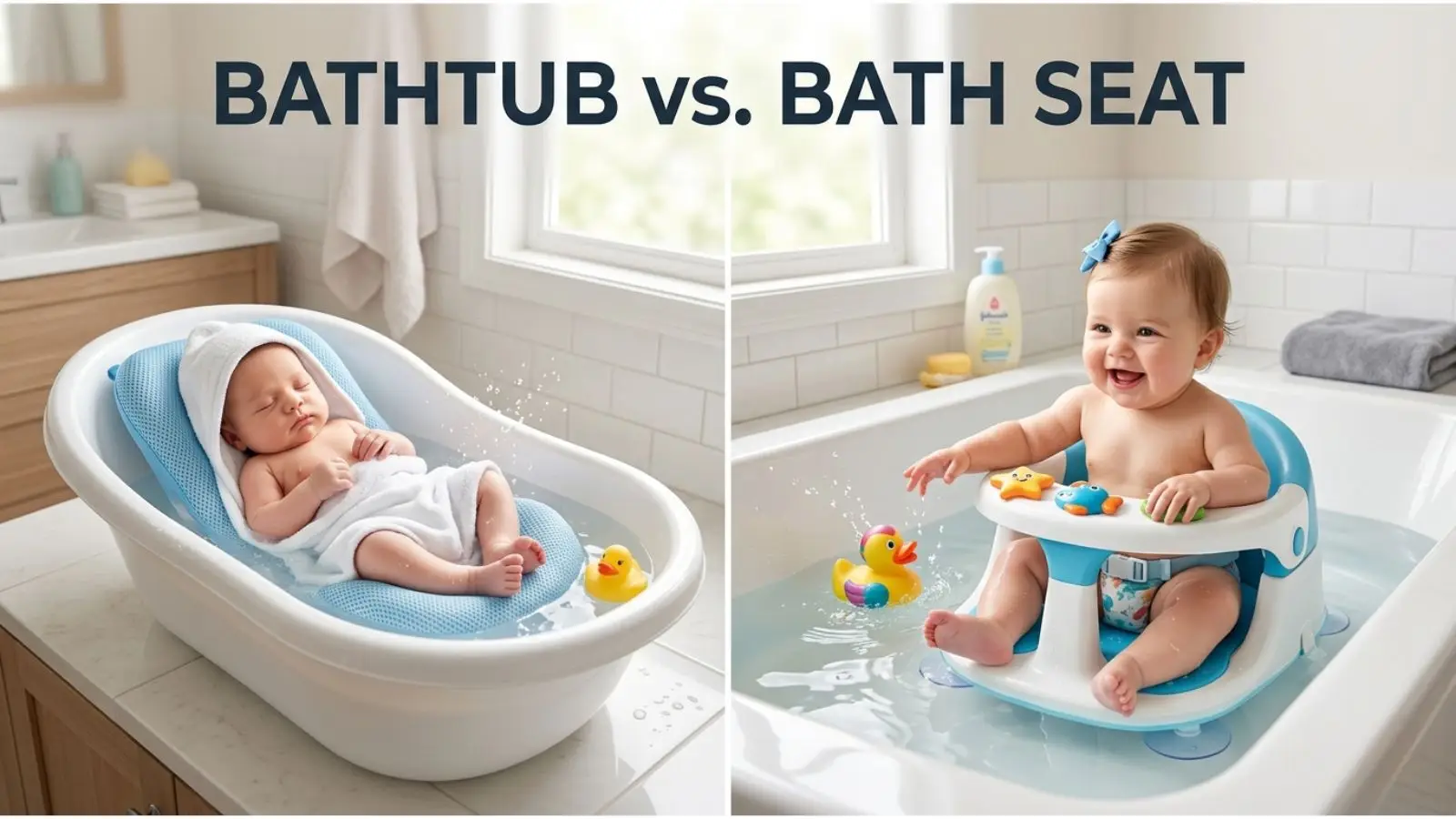
Bath tub vs bath seat — which one does your baby actually need? This guide compares both options by age, safety, and convenience to help you choose with confidence.
Bathtub vs. Bath Seat: Which One Is Best for Your Baby?
Bathtub vs. bath seat is one of the most common questions new parents ask when choosing baby bath products. Both bathtub vs. bath seat options are designed to make bath time safer and easier, but they serve different purposes depending on your baby’s age and development. This guide compares bathtub vs. bath seat by safety, convenience, and age suitability to help you choose the best option with confidence.
>>Alt text: bath tub vs bath seat comparison — baby bath tub and baby bath seat shown side by side to illustrate the difference between the two products
Bathtub vs. Bath Seat: What Each One Actually Does</h2></h2>
Before comparing features, it helps to understand what each product is designed for and at what stage of development it is
What a Baby Bath Tub Does</h3></h3>
A baby bathtub is a small, contained, standalone basin designed specifically for newborns and young infants who cannot yet sit independently. It typically includes a contoured insert that supports the head, neck, and back, keeping a wobbly newborn safely positioned even while a parent washes them with one free hand.
What a Baby Bath Seat Does</h3>
A bath seat is a support frame, usually with a non-slip suction base and a safety harness or ring, designed to sit inside the family’s reg
ular
bath
tub. It is intended for babies who have developed enough trunk control to sit with some support — typically from around 6 months onward — but who are not yet stable enough to sit fully unassisted in an open tub.
Bath Tub vs Bath Seat: Age and Development Stage
When a Bath Tub Is the Right Choice</h3>
A baby bath tub is the better choice from birth until your baby can sit with good head and trunk control, generally between 4 and 6 mo
nths
The contained shape and supportive insert compensate for a newborn’s complete lack of independent muscle control. For the complete step-by-step technique for bathing a newborn in a baby tub, see How to Bathe a Newborn Safely.
When a Bath Seat Becomes Appropriate</h3>
A bath seat becomes appropriate once your baby can sit with minimal support and has reasonably strong head control, typically from 6 months onward. However, a bath seat is not a substitute for active supervision. It provides positional support only — it does not prevent drowning if a parent steps away, even briefly.
Bathtub vs. Bath Seat: Safety Considerations
 </p>
</p>
Alt text: bath tub vs bath seat safety — close-up of a bath seat’s suction base and safety harness compared to a baby bath
tub.
b’s contoured support insert
Safety Factors for Baby Bath Tubs
Choose a tub with a non-slip base and a securely attached support insert that does not shift during use. Always empty and dry the tub after each use to prevent mould growth in the contoured crevices, which are notoriously difficult to clean if neglected.
Safety Factors for Bath Seats</h3>
Confirm the suction cups create a genuinely secure hold on your specific bathtub surface before each use — some textured or older tub surfaces do not allow suction cups to grip reliably. Additionally, never rely on a bath seat as a safety device in place of direct supervision. Multiple safety organisations have issued warnings about bath seats specifically because some parents mistakenly believe the seat allows them to step away momentarily.</p>
For the complete bathroom safety checklist covering both products and the broader bathing environment, see “How to Keep Bath Time Safe ”
Bath Tub vs Bath Seat: Convenience and Practicality
Storage and Portability
Bath seats are generally more compact and can often be hung to dry, making them more convenient for smaller bathrooms.
Water Usage and Cleanup
A bath seat, by contrast, requires filling the full-size tub, using more water for the same bathing task.
Transition Difficulty
Introducing the bath seat gradually, perhaps with a parent in the tub initially, often eases this transition.
Can You Skip One of These Products Entirely?
This approach works well for families with limited storage space or a preference for fewer baby products.
Bathtub vs. Bath Seat: Which Is Safer Overall?
Do I need both a bathtub and a bath seat?</h3>
Most families do use both, transitioning from the tub during the newborn stage to the seat once the baby can sit with support. However, this is not strictly required — some families skip the bath seat and use direct parental support in the family tub instead.
Is a bath seat safe to use unsupervised?
No. A bath seat provides positional support only and does not prevent drowning. Direct, continuous adult supervision is required at all times, regardless of which product you use.
Which is safer overall — a bathtub or a bath seat?
Both are safe when used correctly with full supervision and at the appropriate developmental stage.