
Design for Toilet Potty Training And Sink Use: Ultimate Kid-Friendly Guide
Are you ready to make potty training easier and more comfortable for your little one? Designing a toilet and sink area specifically for potty training can transform a daily challenge into a smooth, stress-free routine.
When your child feels confident and safe using their own space, they’re more likely to succeed quickly. You’ll discover simple, practical design tips that put your child’s needs first. From choosing the right size to creating a fun, inviting environment, these ideas will help you set up a bathroom that your child loves—and that supports their independence.
Keep reading to find out how to make potty training a positive experience for both you and your child!

Choosing Kid-friendly Materials
Choosing the right materials for toilet potty training and sink use is very important. Kids need safe and strong surfaces that can handle spills and messes. The materials should also be easy to clean. This makes potty training less stressful for parents and children.
Durable And Easy-to-clean Surfaces
Surfaces must stand up to frequent use and cleaning. Choose materials that resist stains and water damage. Smooth finishes help wipe away dirt quickly. Avoid rough textures that trap germs. Durable surfaces last longer and save money on repairs. This keeps the potty area looking fresh and tidy.
Non-toxic And Safe Finishes
Children often touch and explore their surroundings. Use paints and finishes without harmful chemicals. Non-toxic options protect kids from allergies and skin irritation. Look for products labeled safe for children. Safe finishes create a healthy environment for potty training. Parents can feel confident about their child’s safety.

Toilet Design Features
Toilet design features play a key role in potty training success. A child-friendly toilet encourages independence and comfort. Small changes in design make big differences for young users. Safety and ease of use come first. The right toilet setup builds confidence and good habits.
Child-size Toilet Options
Child-size toilets fit smaller bodies perfectly. They help children sit comfortably without strain. These toilets are lower to the ground. This height allows kids to climb on and off easily. Some models have fun colors and shapes. This adds excitement and interest during potty time. Choosing the right size reduces fear and hesitation.
Step Stools And Seat Adaptors
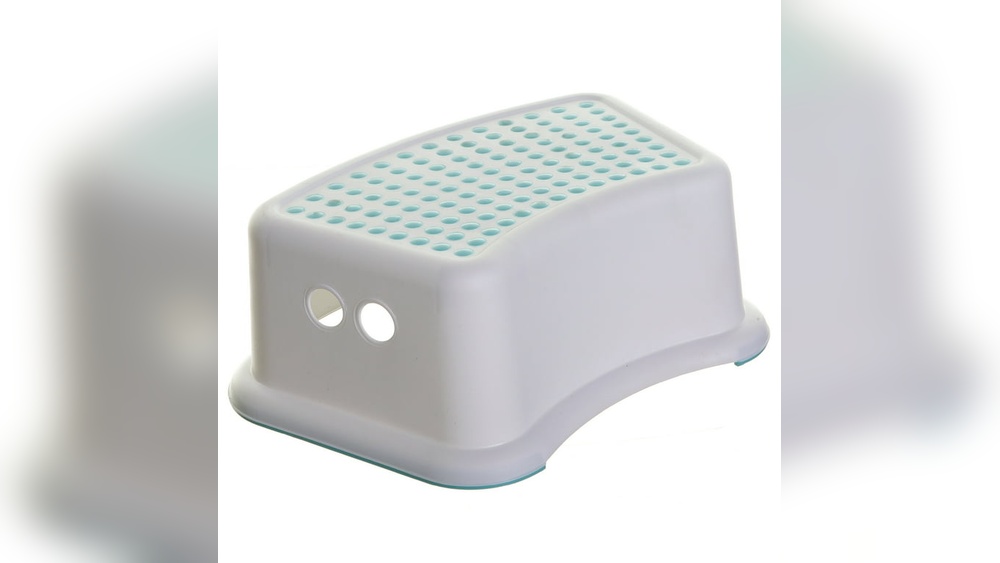
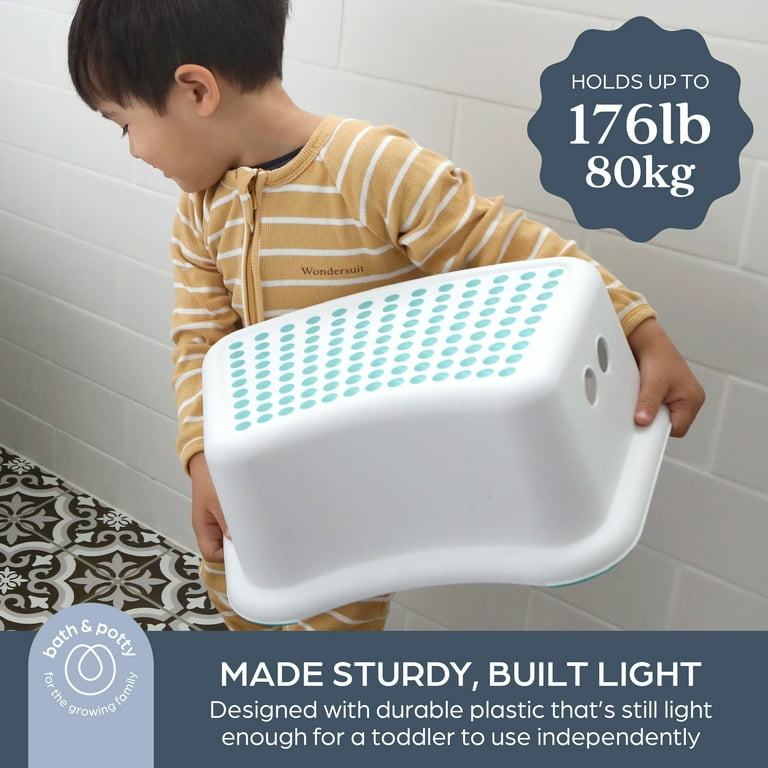
Step stools help children reach the toilet or sink safely. They provide a sturdy platform for climbing. Seat adaptors fit onto adult toilets to make them smaller. These adaptors prevent children from falling in. Many have handles for extra support. Both tools boost independence and ease during potty use.
Soft-close Lids And Handles
Soft-close lids prevent loud slams that scare children. They close slowly and quietly every time. Soft handles are easier for small hands to grip. These features protect little fingers from getting hurt. Quiet lids reduce bathroom noise, making potty time calm. Soft-close parts add safety and comfort to the toilet.
Potty Training Accessories
Potty training is a big step for toddlers and parents. The right accessories make this process easier and more fun. Accessories help kids feel comfortable and encourage good habits. They also keep things clean and organized.
Portable Potties
Portable potties are small and easy to carry. They let children use the potty anywhere. Perfect for trips or visits to friends and family. These potties often have handles and lids for easy transport. Kids feel more secure with a potty just their size.
Reward Systems And Charts
Reward charts help motivate children during potty training. Kids get stickers or stars for each success. This makes them proud and eager to try again. Parents can set small goals and celebrate progress. Positive reinforcement boosts confidence and consistency.
Sanitizing Solutions
Sanitizing solutions keep potty areas clean and safe. Germs spread easily without proper cleaning. Use sprays or wipes designed for children’s items. Teach kids to wash hands after potty use. Cleanliness helps prevent illness and teaches good hygiene habits.
Sink Design For Kids
Designing sinks for children requires special attention to their size and abilities. A well-designed sink helps kids wash hands easily and encourages good habits. It should be safe, comfortable, and fun to use. Small details make a big difference in daily routines.
Adjustable Height Faucets
Adjustable height faucets allow sinks to grow with the child. Parents can lower or raise the faucet to fit the child’s height. This flexibility makes it easier for kids to reach water without help. It reduces spills and frustration during handwashing.
Easy-to-use Handles
Simple handles make turning water on and off quick and safe. Lever-style or push-button handles work well for small hands. They require less strength and improve control. Kids feel more independent using these handles alone.
Splash Guards And Anti-slip Mats
Splash guards keep water inside the sink area, reducing messes. Anti-slip mats prevent slipping on wet floors. Both features create a safer environment around the sink. They help parents avoid accidents and keep kids comfortable.
Safety Considerations
Safety is the top priority when designing a toilet potty training area and sink for children. The bathroom can be slippery and full of hard surfaces. Careful planning can help prevent accidents and injuries. A safe space encourages children to learn and use the toilet with confidence.
Preventing Slips And Falls
Bathrooms often have wet floors. Wet floors cause slips and falls. Use non-slip mats near the toilet and sink. Choose mats that stick well and dry quickly. Make sure the floor is easy to clean and does not stay wet for long. Keep the area free from clutter to avoid trips.
Childproofing Bathroom Fixtures
Bathroom fixtures can be sharp or hot. Cover sharp edges with soft guards to protect little hands. Use faucet covers to prevent burns from hot water. Install locks on toilet lids to avoid accidents. Make sure all fixtures are secure and cannot be pulled down. Choose child-friendly designs with smooth edges and safe materials.
Encouraging Independence
Encouraging independence in toilet potty training and sink use helps children build confidence. It also teaches them important life skills. Designing the bathroom space to support self-care tasks makes learning easier and more fun.
Accessible Storage For Supplies
Keep potty training items within children’s reach. Low shelves or baskets work well. Store wipes, toilet paper, and hand towels nearby. This setup lets kids find what they need without help. Clear containers help children see supplies easily. Accessible storage encourages them to complete tasks alone.
Visual Aids And Instructions
Use simple pictures or charts to guide children. Show steps for using the toilet and washing hands. Place these visuals at eye level near the toilet and sink. Colorful and clear images attract attention. Visual aids reduce confusion and support memory. Kids follow steps better and feel proud of their progress.
Maintaining Hygiene
Maintaining hygiene during potty training and sink use is very important. Clean habits keep kids healthy and comfortable. Teaching good hygiene helps children feel confident and safe in the bathroom. It also prevents germs from spreading at home.
Cleaning Routines For Kids’ Bathrooms
Keep the bathroom clean every day. Wipe the toilet seat and handle with disinfectant. Clean the sink and faucet to remove soap scum. Use mild cleaners that are safe for kids. Store potty chairs in a dry place after cleaning. Teach children to flush properly and close the lid. Regular cleaning stops germs from growing.
Teaching Proper Handwashing Techniques
Show kids how to wash their hands well. Use warm water and soap for at least 20 seconds. Teach them to scrub all parts: palms, backs, fingers, and nails. Rinse hands thoroughly and dry with a clean towel. Make handwashing a fun and regular habit. Good handwashing stops many illnesses.
Frequently Asked Questions
What Are Key Design Features For Potty Training Toilets?
Potty training toilets should be child-sized with stable seats. Bright colors and fun shapes encourage use. Easy-to-clean surfaces and splash guards help maintain hygiene. Adjustable height options support growing toddlers for long-term use.
How To Design Sinks For Toddler Use?
Sinks for toddlers need lower heights or step stools. Lever handles or touchless faucets simplify operation. Non-slip mats prevent falls. Rounded edges improve safety. These features promote independence and ease during handwashing.
Why Is Ergonomic Design Important For Potty Training?
Ergonomic designs ensure comfort and proper posture. This reduces resistance and fear during potty training. It also helps toddlers develop good bathroom habits. Safe, supportive designs encourage regular use and make transitions smoother.
How To Make Bathroom Design Child-friendly And Safe?
Use non-slip flooring and secure rugs to prevent falls. Install corner guards on sharp edges. Use rounded fixtures and secure cabinets. Bright lighting and clear signage help toddlers navigate confidently. Safety features boost parent peace of mind.
Conclusion
Designing toilets, potty training tools, and sinks for kids helps their independence. Simple, safe designs make learning easier and more fun. Child-friendly features support good habits early on. Parents can feel confident with well-thought-out setups. Small changes create big improvements in daily routines.
Focus on comfort and ease to encourage use. A thoughtful bathroom design helps children grow with confidence. Keep it practical, safe, and easy to clean. This approach supports healthy habits that last a lifetime.


